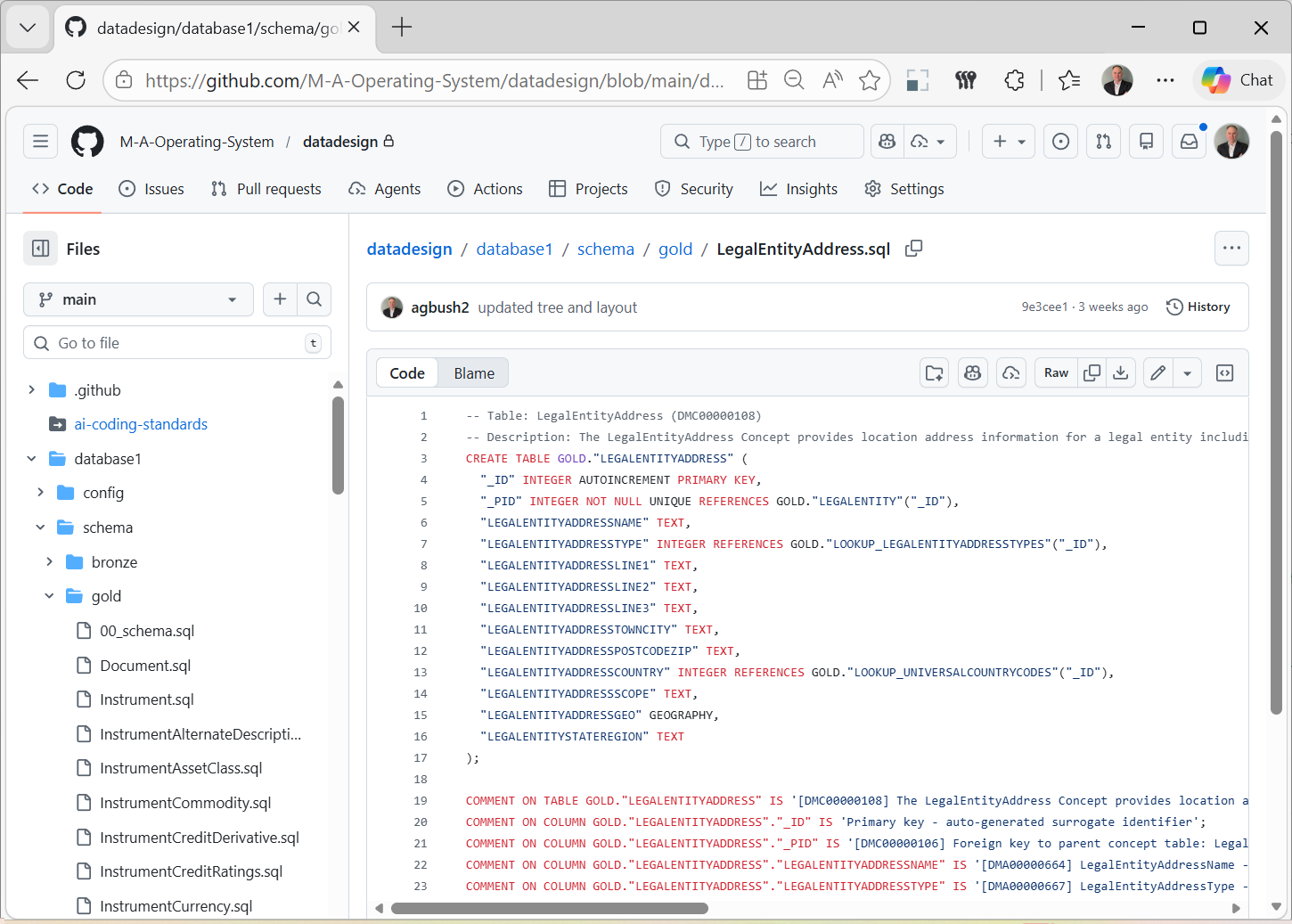
Deliver data faster — without losing control
Modern data platforms promise speed, but most organizations are still slowed down by manual, fragmented data design. Business intent gets lost in translation, governance happens too late, and every change becomes a bespoke effort. Establishing a centralized Data Design Authority capability ensures one version of truth for data semantics, logical models, and schema decisions — enabling teams to design once and reuse everywhere
We help organizations design and establish this capability specific to their business goals and organizational needs. We automate the end‑to‑end data design and delivery process within their own environment, combining our data‑management‑first consulting approach with our proprietary Automated Data Design Authority tooling.
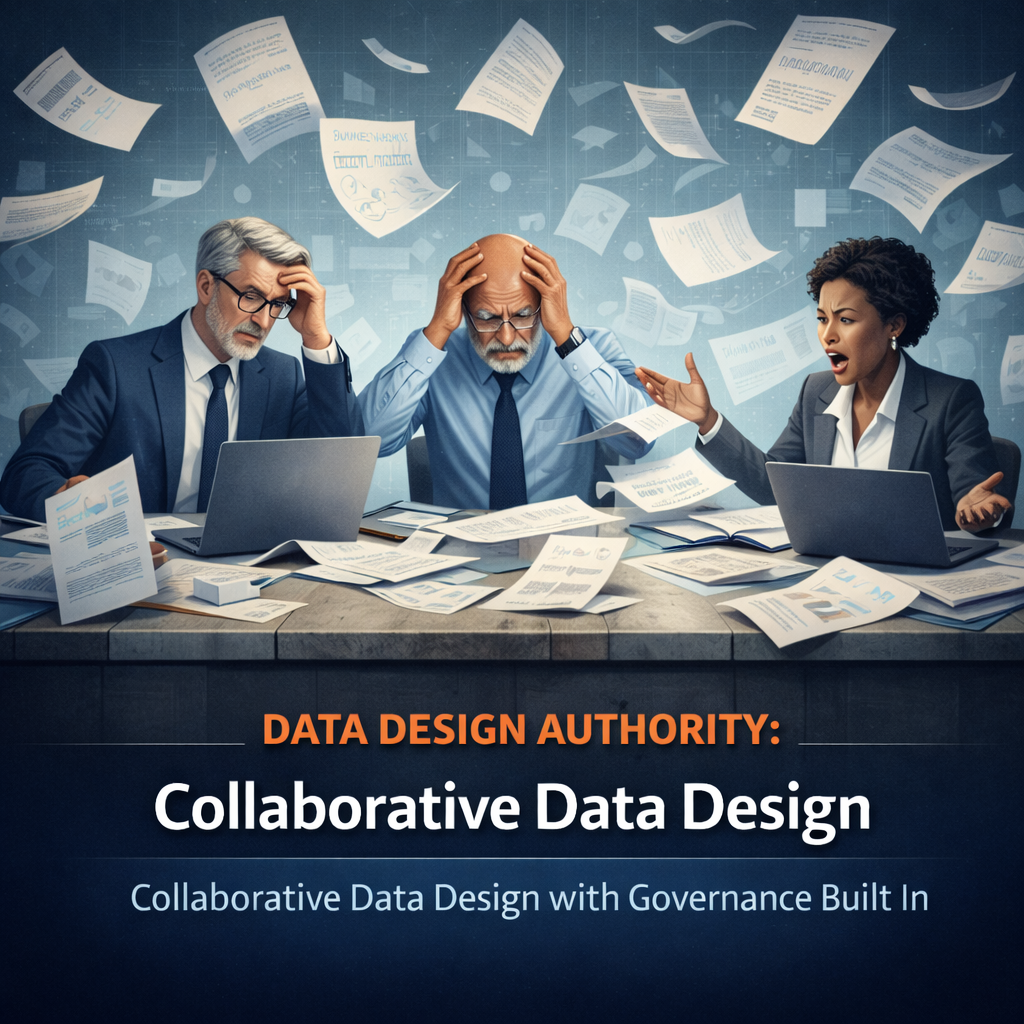
Most data delivery problems are created upstream
Most data delivery problems are created upstream — long before pipelines, platforms, or dashboards are involved. They stem from unclear business intent, fragmented design artefacts, and manual hand‑offs between business, data, and technology teams.
Our approach establishes a Data Design Authority operating model, then automates it so that data decisions are made once, governed by default, and carried through to delivery without friction.
The result is a repeatable, scalable capability that balances speed, control, and confidence.
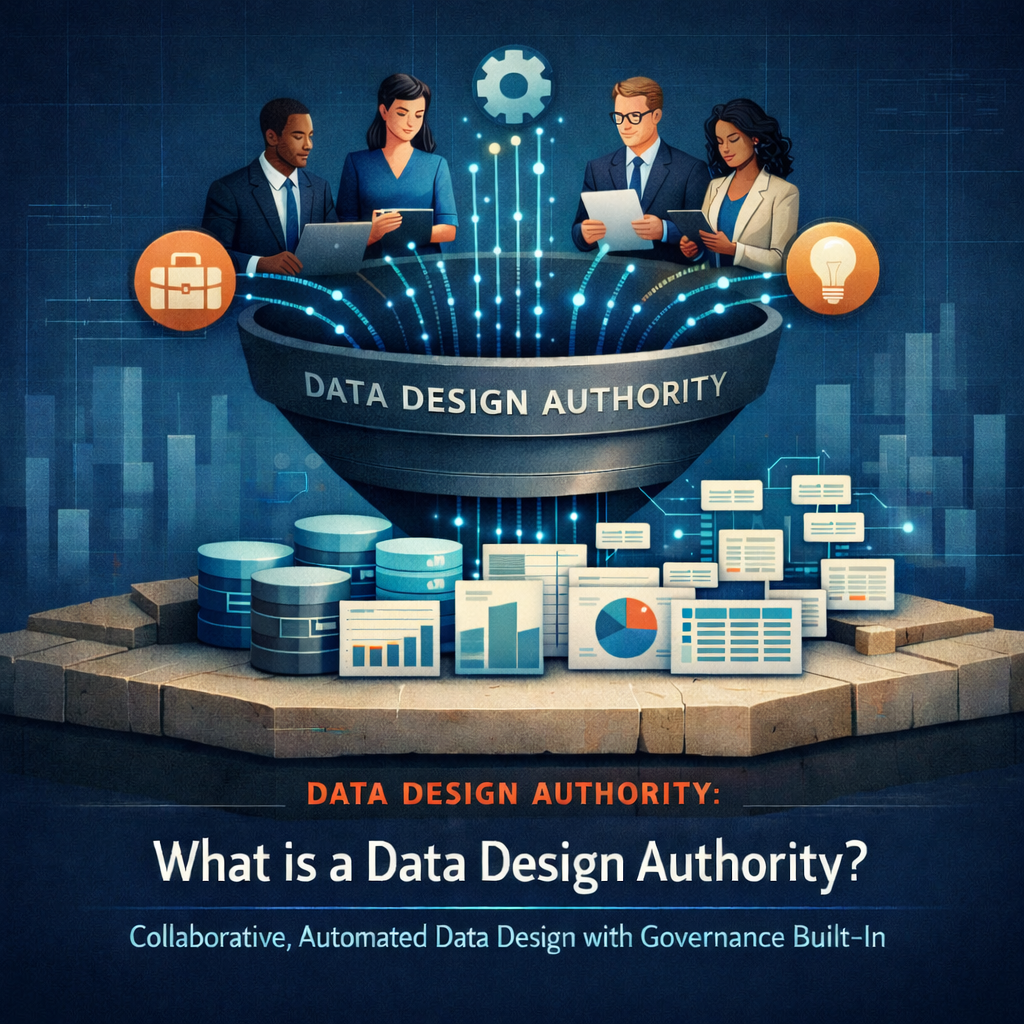
What is a Data Design Authority?
A Data Design Authority (DDA) is a structured approach to managing semantic and schema decisions across teams, once, and for all.
It combines governance rituals, version-controlled design artifacts, and automation to help data teams:
-
Speak the same data language
-
Reuse canonical definitions
-
Prevent schema drift
-
Accelerate trusted delivery
No more “define and forget.” With a DDA, you design once, reuse everywhere.
Why implement an DDA?
| Faster data delivery | Reduce Work Back and Forth |
| Reduced Schema Duplication | Reuse, don't reinvent each Time |
| Increase data trust & Adoption | One foundation for everyone with a full understanding |
| AI-ready foundation | Complete Semantic definitions for generative processes |
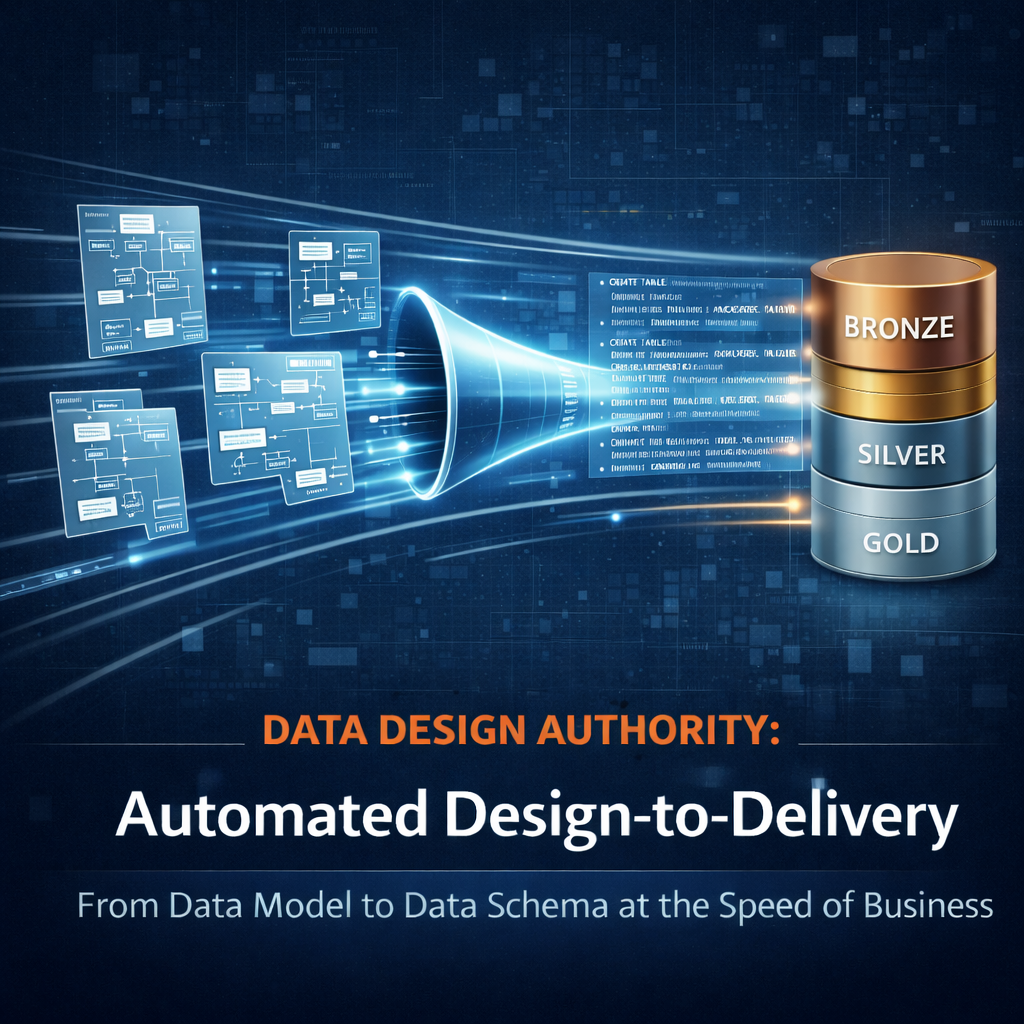
Automated Design‑to‑Delivery
We understand that different teams have different perspectives. We simplify the data design process with our proprietary Practice Data Management Approach, enabling everyone to be involved.
Our automated tooling empowers
-
Central Data Governance teams to establish core foundational data standards to guide the rest of the organization
- Subject matter experts to design domain-aligned data models optimized for good data management and operations to ensure quality and consistency
- Business-focused analysis to design consumable data products that get to the core of business objectives
- Technology teams to automate changes directly within industry-standard data warehouses to enable data management changes to occur at the speed of business demand
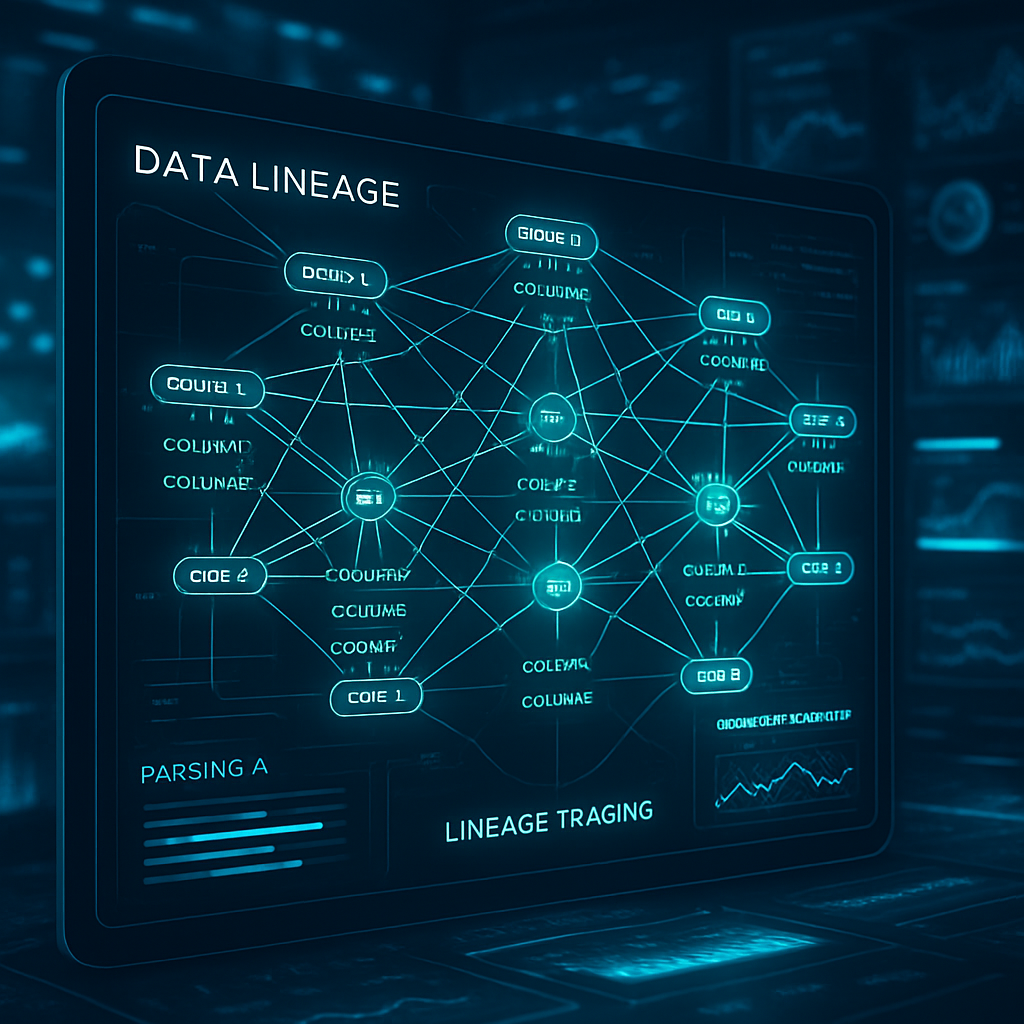
"AI Ready"
Stop trying to apply AI on top of data structures and databases that were never designed to be understood by machines.
In most organizations, data meaning lives in documents, spreadsheets, and tribal knowledge, while schemas and pipelines capture only structure—not intent. When AI is layered on top of this foundation, it is forced to infer semantics, guess relationships, and operate without clear constraints, leading to fragile automation and untrusted outcomes.
Give AI the trusted semantic foundation it deserves to operate within clearly defined boundaries, enabling reliable automation, intelligent validation, and AI‑assisted delivery without introducing new risk.
Features
Business‑Led Data Requirements
Capture what the business is trying to achieve with data, not just structures. Outcomes, decisions, and success criteria are defined explicitly and carried forward into design and delivery.
Governed Domains & Logical Data Models
Design your logical data models optimizing for consistency, reuse, and long‑term stability across domains.
Business‑Facing Data Products
Once data is managed well, data products are designed for how the business wants to use it.
Living Data Dictionary & Reference Hub
The DDA provides a single, accessible, always‑up‑to‑date source of truth for data definitions, relationships, and context. This is not dead documentation; it is the live collaboration surface through which teams design and iterate data together.
Data Quality Defined at Design Time
The headline and subheader tells us what you're offering, and the form header closes the deal.
Data Quality Defined at Design Time
Define data quality rules directly against logical models in one place. Quality expectations are clear, shared, and reusable across pipelines and data products.
Automated Physical Schemas & Pipelines
Approved logical designs are automatically translated into physical schemas and transformation pipelines aligned to your target platforms and standards. Schemas are ready to be committed to code repositories and CI/CD pipelines, seamlessly integrating with existing release management processes.
Version Control & Full Traceability
Every change — from business requirement to schema — is version‑controlled and traceable. See what changed, why it changed, who approved it, and what it impacts downstream.
Schema & Contract Validation for Integrations
The DDA acts as a schema and contract authority, validating integrations before changes reach production. Breaking changes are detected early — not after incidents occur.
Screenshots
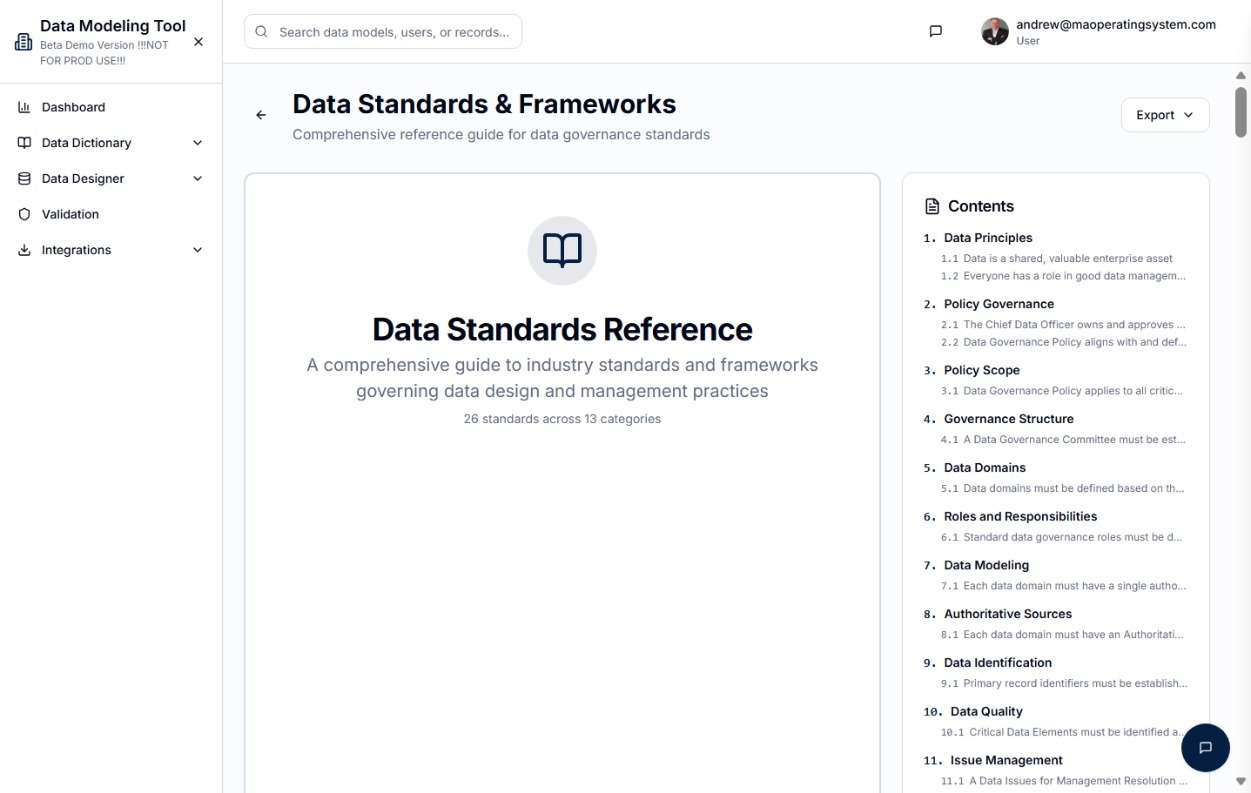
Establish your Data Standards Once for Everyone
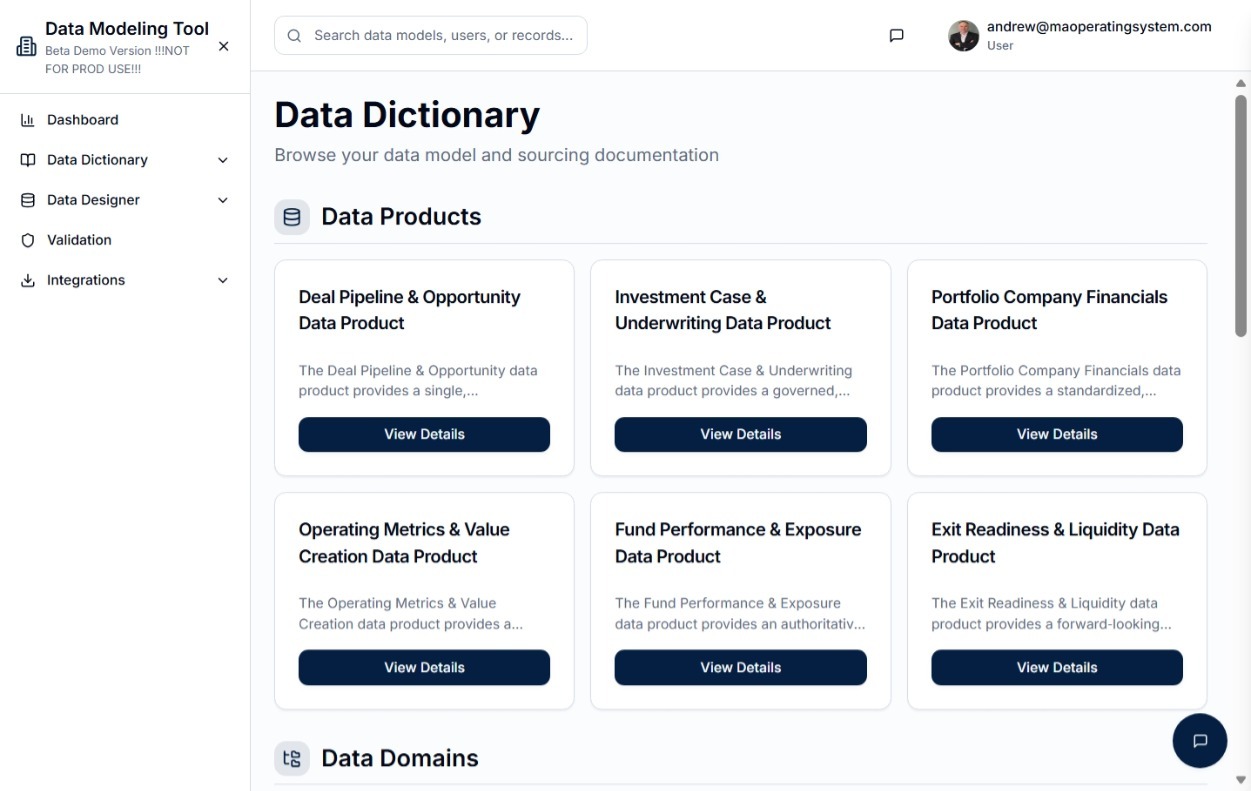
Create Easy-to-Use Data Products to Directly Address Business Outcomes
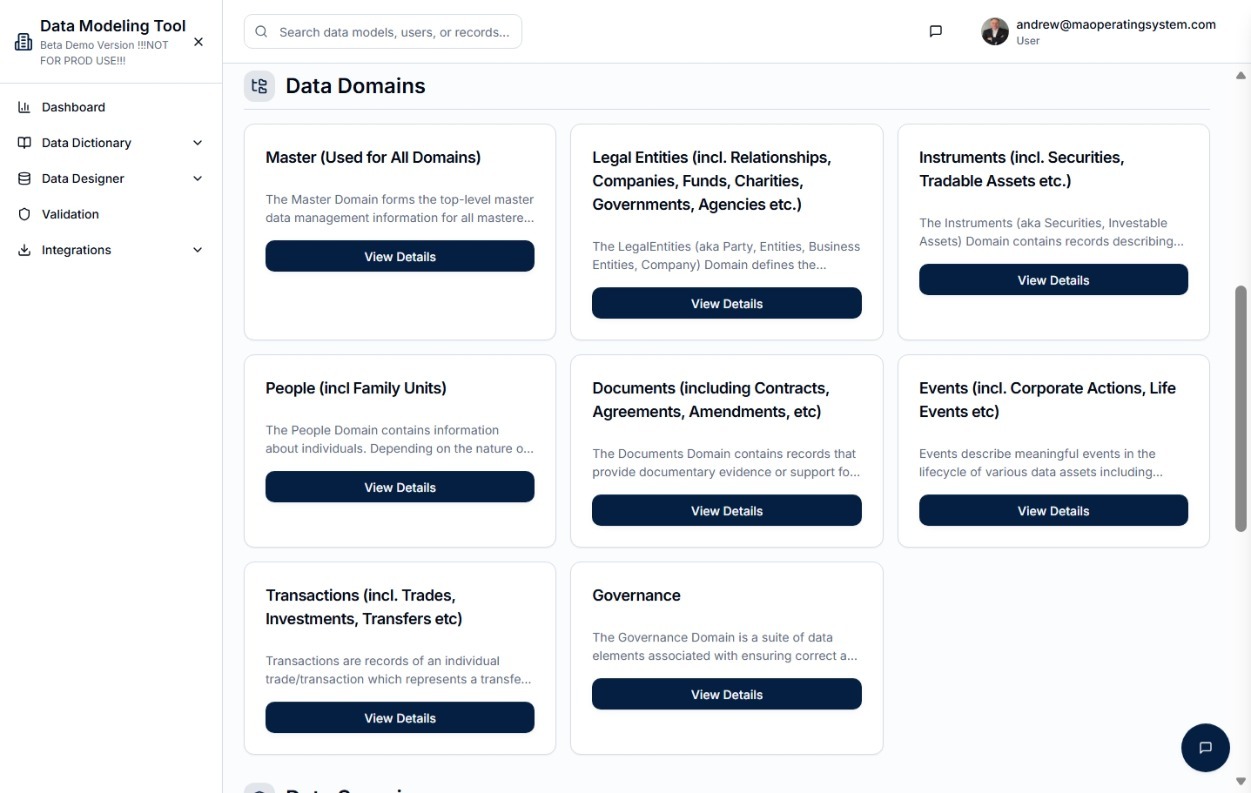
Collaborate across Stakeholders to Design your Domain Data Models